
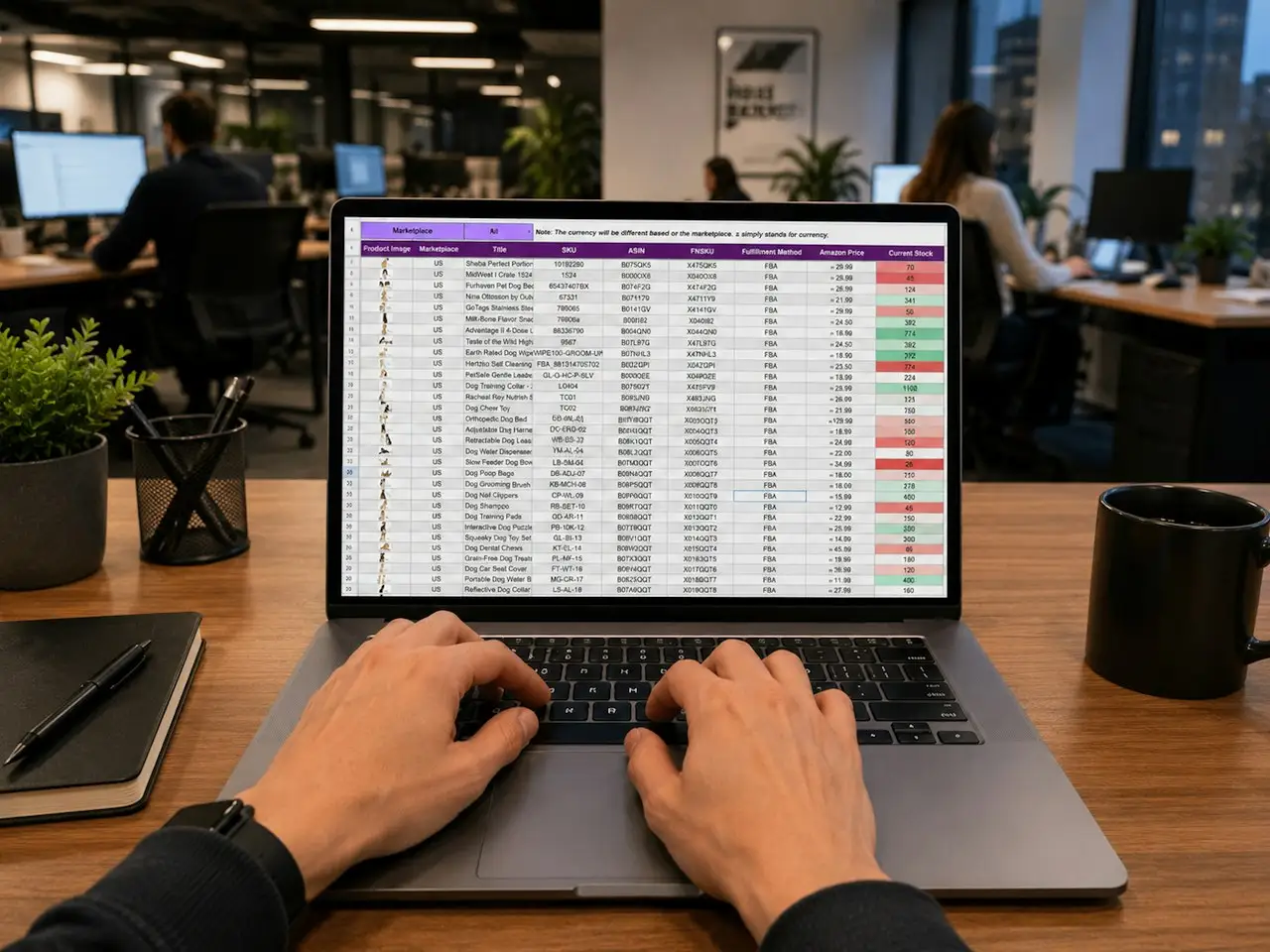
Spreadsheets are where most businesses start, and for good reason. They are flexible, familiar and already on every computer. A single sheet can track stock, sales, customers or jobs in an afternoon. The trouble begins when the business grows and the sheets multiply.
There is no single moment when a spreadsheet stops working. Instead, small frictions add up until people spend more time managing the files than using what is in them. Here is how to recognise that point, and what to do about it.
The warning signs
- Two people open the same file and end up with two different versions.
- Month-end reports take days, because someone has to copy figures between sheets.
- Only one person really understands the formulas, and everyone worries about them being away.
- Customer history lives in email threads and personal phones, not in one place.
- Stock counts never quite match what the sales sheet says was sold.
- Managers ask simple questions, such as which product sold best last month, and nobody can answer quickly.
If several of these sound familiar, the spreadsheet is no longer saving you time. It has become a hidden cost.
The real cost of duplication
Every time the same information is typed twice, three things happen. Someone spends time they could have used on customers. The chance of a mistake goes up. And the business loses confidence in its own numbers, so decisions slow down while people double-check.
Duplication also creates risk. Files get overwritten, links break and older copies circulate by email. When a key member of staff leaves, the knowledge of how everything fits together can leave with them.
What an ERP or CRM changes
An ERP, or enterprise resource planning system, brings operations such as stock, purchasing, sales and finance into one connected system. A CRM, or customer relationship management system, does the same for customer contacts, history and follow-ups. Many businesses need parts of both.
The main change is simple: information is entered once and is then available wherever it is needed. A sale updates stock. An invoice links to the customer record. A manager can see a dashboard instead of waiting for a report.
- One source of truth, so departments work from the same numbers.
- Roles and permissions, so each person sees what they need.
- Reports that build themselves from live data.
- A record of who did what, which improves accountability.
How to start small
Replacing every spreadsheet at once is rarely the right move. A better approach is to start with the process that causes the most pain, prove the value there, and then add more.
- Map how work really happens today, including the workarounds people have invented.
- Choose one area to improve first, such as stock or customer follow-ups.
- Clean the data before moving it. Old errors should not move into a new system.
- Train each group of users on the parts they will actually use.
- Review after launch, then plan the next module.
A system built around your real processes should feel like it removes work rather than adding it. If a proposed system forces your team to change everything about how they work, ask why.
Questions to ask before you begin
- Which decisions are we making slowly because we lack reliable numbers?
- Where is the same information being typed more than once?
- Which process would save the most time if it were connected?
- Who will own the system day to day once it is live?
Outgrowing spreadsheets is a sign of progress, not failure. It means the business has enough activity to deserve better tools. The aim is not more software, but less friction, so your team can spend its time on the work that matters.