

Power interruptions are frustrating for any business, but the right response depends on what you need to keep running and for how long. A UPS, an inverter with batteries and a solar system all help, in different ways. Understanding the difference helps you spend money where it matters.
What a UPS does
A UPS, or uninterruptible power supply, sits between the wall socket and your equipment. When the power cuts, it takes over instantly, so computers, tills and network equipment do not switch off. Most small UPS units are designed to bridge short interruptions or give you time to save work and shut down safely.
A UPS also helps protect sensitive equipment from unstable power, which can damage electronics over time.
What an inverter and batteries do
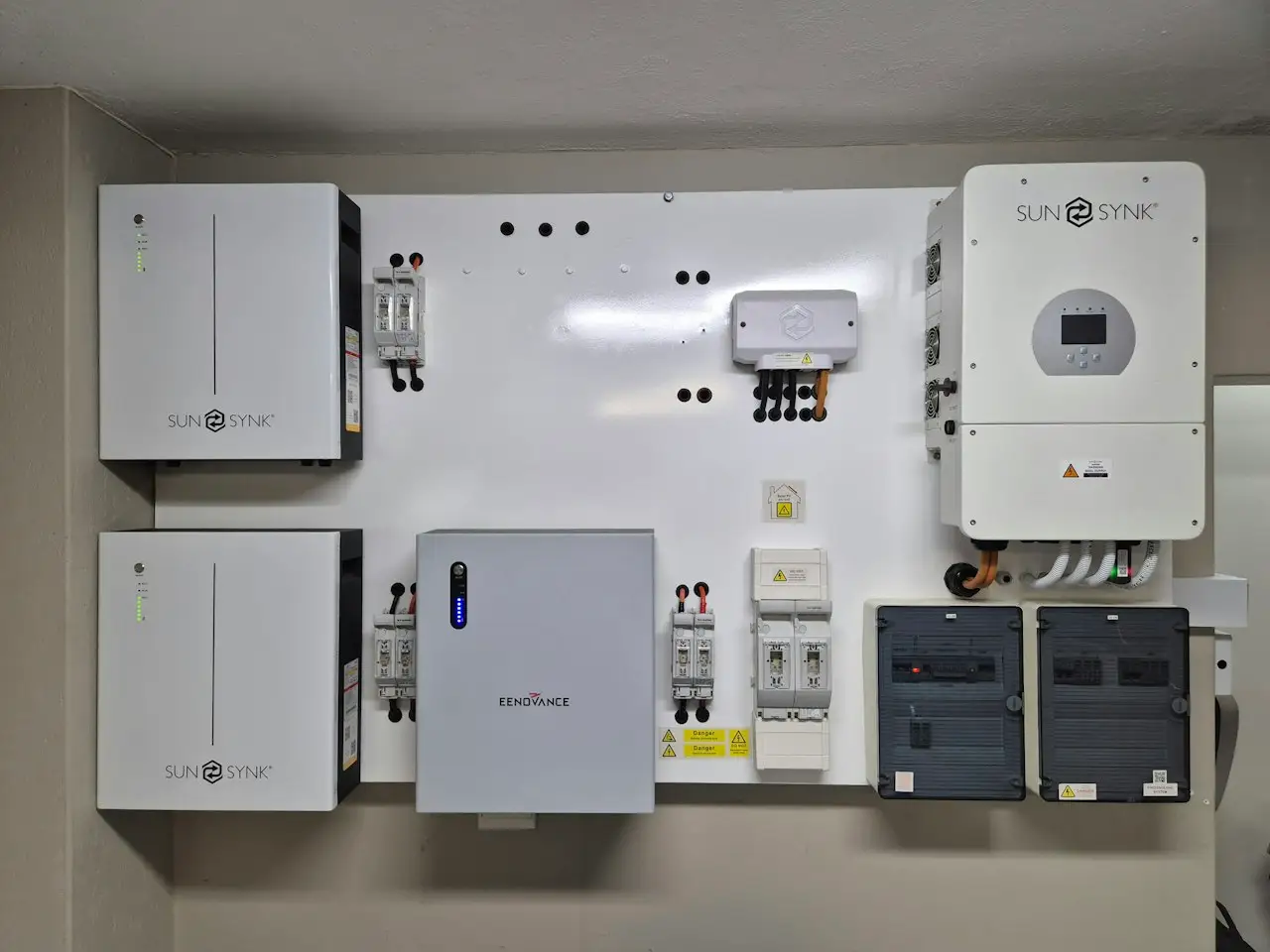
An inverter system stores energy in batteries and converts it into usable power when the mains supply fails. Compared with a small UPS, a properly sized inverter system can run more equipment for longer. It is often the choice for offices, shops and homes that want to keep lights, computers and connectivity going through longer outages.
Where solar fits
Solar panels generate electricity from daylight. Combined with an inverter and batteries, they can charge your backup from the sun instead of only from the grid, and supply power during the day. Solar is a larger investment, so it should be planned around a clear understanding of your load and site.
Start with critical loads
Before choosing equipment, list what must stay on. This is your critical load. For many businesses it is smaller than expected.
- Tills, card machines and receipt printers.
- Routers, switches and WiFi access points.
- Servers, computers or medical equipment that must not lose power suddenly.
- Security cameras and recorders.
- Essential lighting.
Separating critical equipment from heavy loads such as kettles, heaters or air conditioning can make backup far more affordable.
Run time: how long is long enough?
Run time is how long your backup can keep the critical load going. It depends on how much power the equipment uses and how much energy the batteries store. Think about your typical outages: do you need minutes to shut down safely, or hours to keep trading?
Starting small
- Protect the most critical equipment first, often with a UPS.
- Measure your real load rather than guessing.
- Choose equipment that can be expanded later.
- Use qualified people for installation and electrical work.
- Plan maintenance, because batteries age and need checking.
Questions to ask before you buy
- What exactly will this system power, and for how long?
- How was the size of the system calculated?
- Who installs it, and are they qualified for the work?
- What maintenance does it need, and who will do it?
The best power solution is the one sized for your actual need. A careful load assessment is the step that turns a guess into a plan you can rely on.